[ad_1]
What Is a Chief Financial Officer?
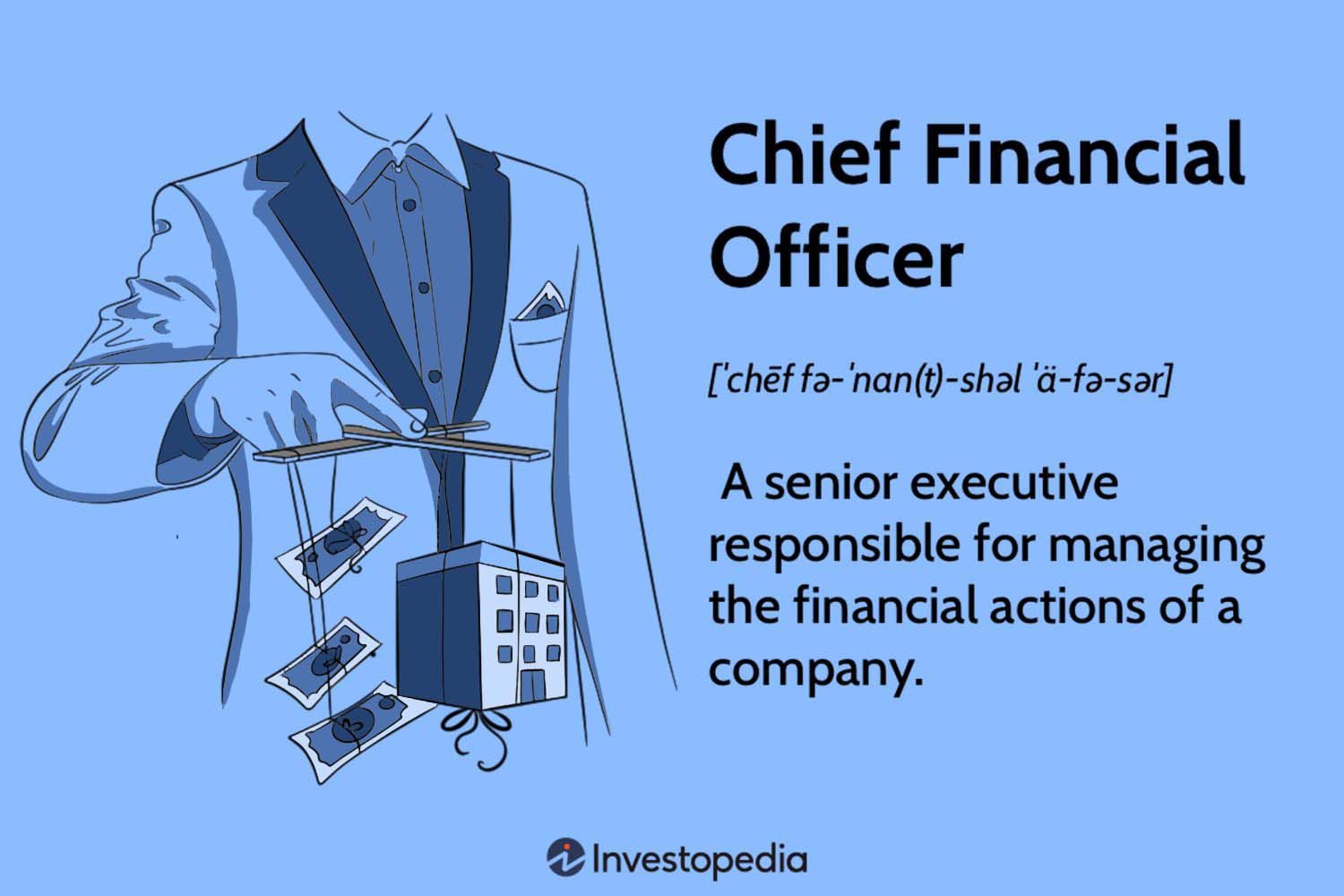
A chief financial officer (CFO) is the person in charge of all of the financial activities of a company. The CFO’s duties include tracking cash flow and financial planning as well as analyzing the company’s financial strengths and weaknesses. The CFO also proposes corrective actions.
The role of a CFO is similar to a treasurer or controller because they are responsible for managing the finance and accounting divisions and for ensuring that the company’s financial reports are accurate and completed in a timely manner.
Key Takeaways
- A chief financial officer (CFO) is a top-level executive.
- The CFO handles everything relating to cash flow, financial planning, and taxation issues.
- They usually hold the highest financial position and third-highest position overall in a company
- They play a vital role in the company’s strategic initiatives.
- CFOs typically have an academic and professional background in finance, economics, and/or analysis.
Investopedia / Zoe Hansen
Role and Responsibilities of CFOs
The chief financial officer is a member of the C-suite, a term used to describe the most important executives in a company.
Alongside the CFO, these roles include the chief executive officer (CEO), the chief operating officer (COO), and the chief information officer (CIO).
The CFO focuses on a range of areas, from compliance and quality control to business planning and process changes. They are a strategic partner to the CEO. The CFO plays a vital role in influencing company strategy.
Becoming a CFO requires a certain degree of experience in the industry. The majority of people who end up in this position have advanced degrees and certifications, such as a graduate degree in finance or economics, and the Chartered Financial Analyst (CFA).
It also helps to have a background in accounting, investment banking, or analysis.
People in this role have significant input in the company’s investments, capital structure, and how the company manages its income and expenses.
This corporate officer may assist the CEO with forecasting, cost-benefit analysis, and obtaining funding for various initiatives.
For instance, when the marketing department wants to launch a new campaign, the CFO may help to ensure the campaign is feasible or give input on the funds available for the campaign.
Important
The CFO is usually the third-highest position in a company.
Regulations and Compliance for CFOs
The CFO must report accurate information because many decisions are based on the data they provide.
The CFO is responsible for managing the financial activities of a company and adhering to generally accepted accounting principles (GAAP) adopted by the U.S. Securities and Exchange Commission (SEC) and other regulatory entities.
CFOs must also adhere to regulations such as the Sarbanes-Oxley Act, which include provisions concerning fraud prevention and the disclosure of financial information.
Local, state, and federal governments hire CFOs to oversee taxation issues. Typically, the CFO is the liaison between local residents and elected officials on accounting and other spending matters.
The CFO sets financial policy and is responsible for managing government funds.
Is a CFO an Accountant?
Generally, no, a CFO is not the same as an accountant. Accountants handle bookkeeping tasks and tax filings. A CFO focuses on the company’s financial future, creating forecasts.
What Salary Do CFOs Make?
The median salary of a CFO as of May 2025 was $397,887 a year, according to Salary.com.
How Do You Become a CFO?
Generally speaking, the CFO position is reserved for very experienced professionals with established track records in their field. CFOs are generally equipped with advanced educational designations, such as a Master of Finance or Chartered Financial Analyst (CFA). Many CFOs have professional backgrounds in fields such as accounting, investment banking, or financial analysis. For financial professionals, the CFO is among the most prestigious and highly paid positions available in a firm.
Are a CEO and a CFO the Same Thing?
No, a CEO and a CFO are not the same thing. However, CFOs are required to work closely with the other senior executives of a company, such as the CEO. These executives are sometimes referred to as the C-Suite of the company, representing the company’s highest level of decision-making. Although the CFO is typically subordinate to the CEO in the corporate hierarchy, CFOs will generally be the foremost decision-maker on all matters within the finance department of their firm.
The Bottom Line
The CFO is the top-ranking executive in charge of managing a company’s finances. This includes managing all aspects of financial and cash flow planning, as well as analyzing a company’s financial position.
Unlike a controller or accountant, a CFO is responsible for financial planning and all of a company’s financial activities, while the other two are in charge of bookkeeping and the company’s financial statements.
[ad_2]
Source link