[ad_1] What Is the Debt Ratio? The term "debt ratio" refers to a financial ratio that identifies a company’s leverage, or how much borrowing is used as a source of…
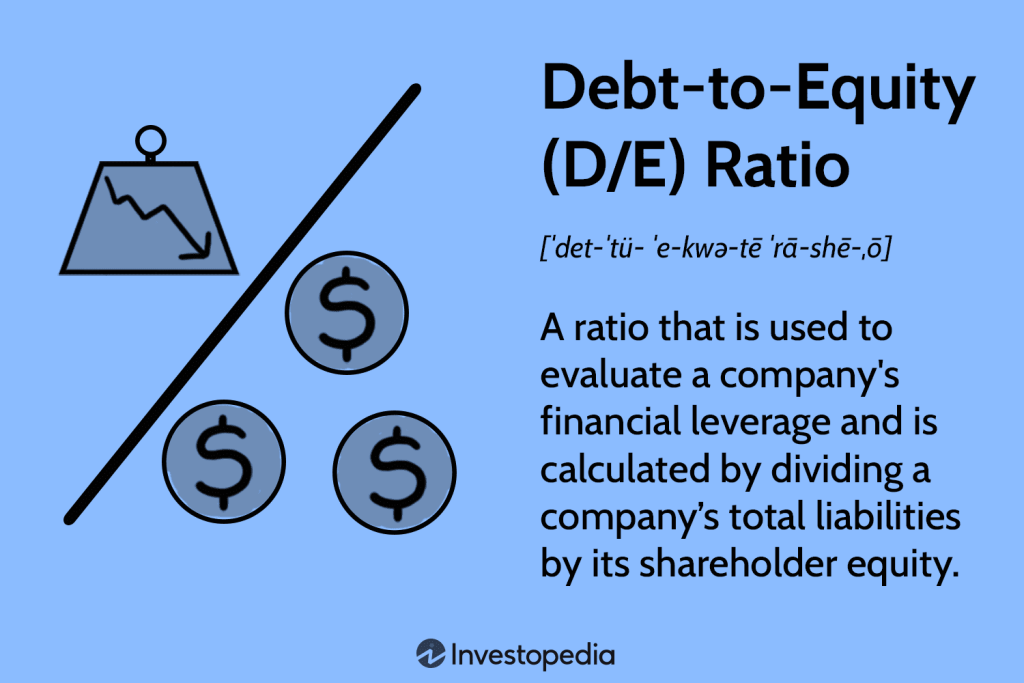
[ad_1] What Is the Debt-to-Equity (D/E) Ratio? The debt-to-equity (D/E) ratio is used to evaluate a company's financial leverage. It's calculated by dividing a company's total liabilities by its shareholder…
[ad_1] What Are Day-Count Conventions? Day-count conventions, including common types like 30/360 and actual/365, are essential in calculating accrued interest on financial instruments such as bonds and swaps. These…
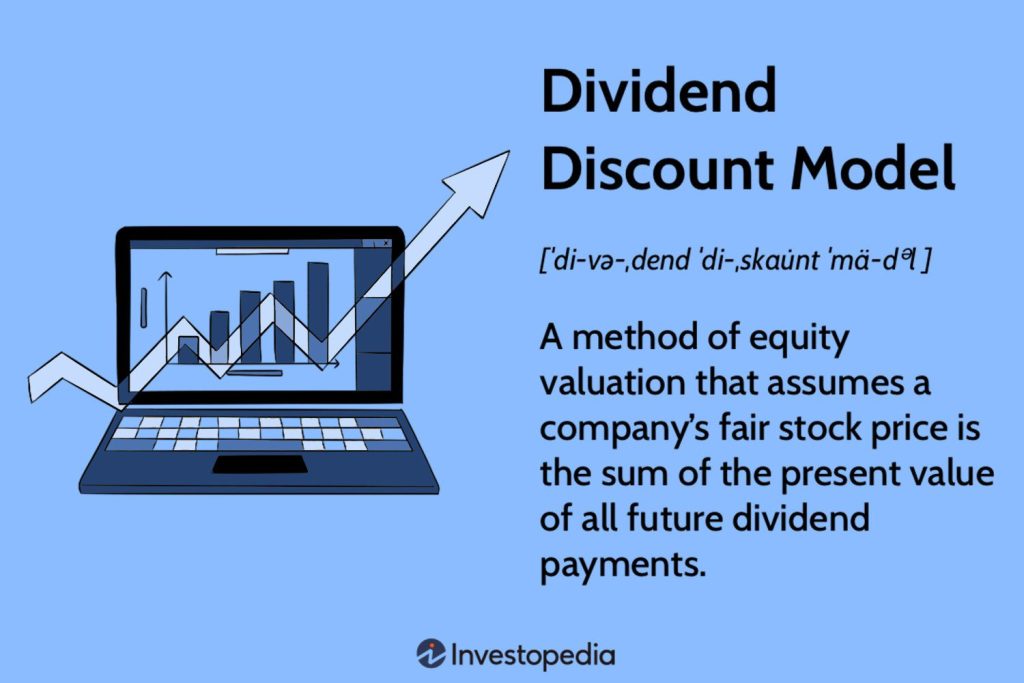
[ad_1] What Is the Dividend Discount Model (DDM)? The dividend discount model (DDM) is used to predict a company's stock price based on the theory that its present-day price is…
[ad_1] What Is Days Payable Outstanding (DPO)? Days payable outstanding (DPO) is a financial ratio that indicates the average time (in days) that a company takes to pay its…
[ad_1] What Is Discounted Cash Flow (DCF)? Discounted cash flow (DCF) is a financial model that calculates what an investment is worth today by projecting its future cash flows and…